





The retirement of T-Mobile email-to-text gateways leaves many organizations searching for a dependable alerting alternative.
For years, businesses relied on services like TMobile email to text to send SMS alerts, operational notifications, and automated text messages to mobile devices. The concept was simple. A monitoring tool, application, or email client like Outlook or Gmail generated an email, the carrier converted it into a text message, and the recipient received the alert on a mobile phone. But major carriers are now retiring or restricting these older email to SMS services.
For many organizations, this creates an immediate problem: How do you continue sending reliable mobile notifications and critical alerts without depending on aging carrier gateways? The answer is not necessarily adding complexity. In reality, businesses are simply moving from old-fashioned send-and-forget forwarding toward more reliable and modern mobile alerting.
What Does The End of T-Mobile Email-to-Text Mean for T-Mobile Customers?
Whether you used T-Mobile Email-to-Text, or similar email-to-text services from other carriers to notify employees, support teams, or customers, the retirement of these gateways means existing workflows may stop working or become increasingly unreliable. Organizations that relied on reliable email-to-SMS delivery should be prepared for delivery failures, delayed notifications, or messages that never arrive. To ensure critical alerts reach the right people within minutes, now is the time to evaluate modern alternatives that provide dependable delivery, acknowledgment tracking, and automated escalation.
Why Businesses Used T-Mobile Email-to-Text Services in the First Place
Businesses never adopted email-to-text because it was advanced technology.
They adopted it because it was easy. Organizations could quickly send:
- text alerts
- operational messages
- failure alerts
- customer communication
- service notifications
- monitoring alerts
without deploying a dedicated sms service.
For many teams, it became the default way to reach engineers, support teams, or operations staff on a mobile phone.
The problem is that business communication requirements have changed. Today, organizations need more than simple forwarding. They need confidence that:
- alerts were delivered
- important messages were seen
- someone acknowledged the issue
- escalation happens if nobody responds
Traditional email to sms workflows were never designed for that level of operational reliability.

Why Carriers Are Moving Away from Email-to-Text Messages
Carriers including T-Mobile increasingly faced problems with:
- spam
- fraudulent messages
- spoofed sender addresses
- overloaded sms gateways
- unreliable delivery
Public carrier gateways were originally designed for convenience, not enterprise-grade communication. As mobile messaging volumes increased, maintaining these systems became more difficult and less reliable.
For businesses, this means older workflows based on T-Mobile email to sms messages are no longer dependable enough for operational use.
The Bigger Question Businesses Should Ask
Many organizations immediately search for a direct replacement when they hear about the shutdown of email to text services. But the better question is:
What were we actually trying to accomplish with email to sms?
Most businesses are not looking for complicated enterprise software.
They simply want:
- reliable text messages
- fast mobile notifications
- dependable alerts
- simple escalation when needed
- visibility into delivery
That is exactly where modern mobile alerting platforms come in.

Modern Text Alternatives Are Not About Complexity
One of the biggest misconceptions about replacing T-Mobile email to text is that businesses now need massive enterprise platforms with endless features.
That is not the reality.
Most organizations still want the same simplicity that made email to text attractive in the first place. The difference is that in 2026, reliable operational alerting needs slightly more intelligence than simple send-and-forget forwarding. The main tool everybody is using is their mobile phone and not just for emails. Everything is organized in apps – so, your alerts should be to.
Modern email to sms alternatives typically provide:
- reliable push notifications
- optional sms alerts
- acknowledgment tracking
- delivery visibility
- simple escalation workflows
- support for distributed teams
The user experience can remain extremely simple while reliability improves dramatically. For many businesses, this is not about replacing workflows. It is about modernizing email to text for today’s operational requirements.

Email to SMS vs Modern Mobile Alerting
Traditional email to sms services focused mainly on forwarding messages. Modern mobile alerting focuses on ensuring that important alerts actually reach the right people.
That includes:
- reliable delivery
- acknowledgment tracking
- optional escalation
- push notifications
- operational visibility
- mobile-friendly workflows
For many organizations, this is simply the next evolution of email-to-text rather than an entirely new process.
What Businesses Should Look for in a Modern Text Alternative
Businesses replacing older email-to-sms workflows should prioritize a few core capabilities.
Reliability
A modern solution should support:
- dependable mobile notifications
- push notifications
- redundant delivery
- optional sms alerts
- delivery tracking
Simplicity
The best platforms preserve the ease of traditional email to text workflows while improving reliability.
Mobile Experience
Modern users expect:
- Android support
- iPhone support
- mobile-friendly alerts
- fast response workflows
- simple acknowledgment actions
Integration Support
Organizations should look for platforms that integrate with:
- monitoring systems
- cloud services
- automation tools
- enterprise applications
- ITSM platforms
This allows businesses to continue using existing monitoring tools while modernizing mobile communication.
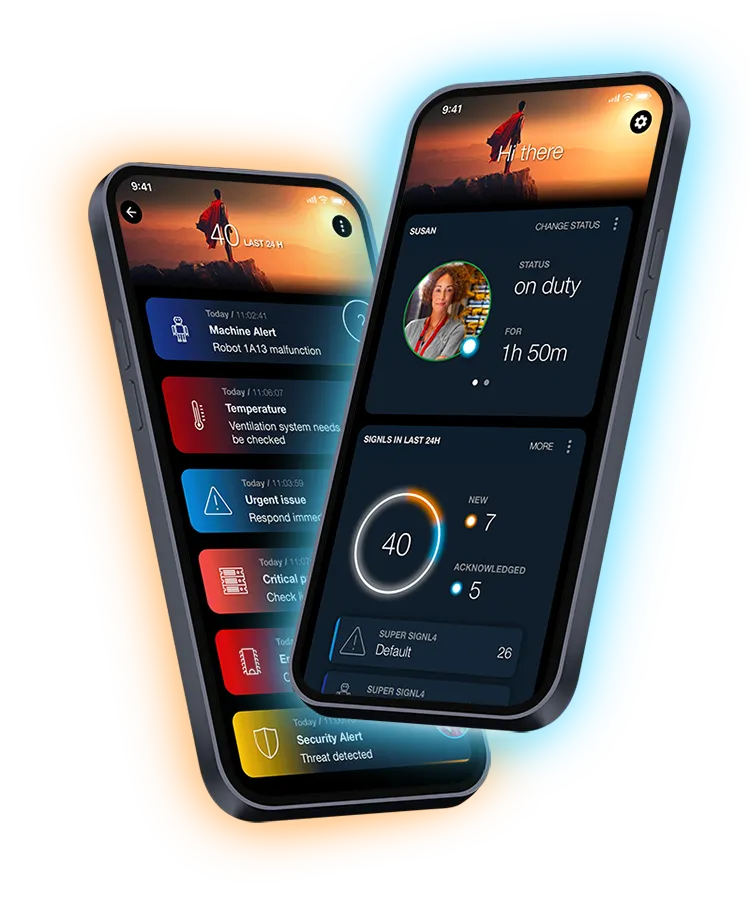
Why SIGNL4 Is a Powerful Modern Alternative to Email to Text with Advanced Mobile Alerting
SIGNL4 helps businesses or organizations replace outdated email to text workflows with modern and reliable mobile alerting. Instead of depending on aging carrier gateways or older email to sms services, SIGNL4 integrates with existing monitoring systems, ITSM platforms, cloud services, and enterprise applications. The goal is not to add unnecessary complexity.
For many businesses, SIGNL4 simply modernizes the old workflow:
- send an alert
- notify the right person
- confirm somebody responded
SIGNL4 supports:
- push notifications
- sms alerts
- voice calls
- acknowledgment tracking
- on-call scheduling
- mobile incident response
- optional escalation workflows
- Enrich mobile alerts with additional content, location information, and helpful links.
while preserving the simplicity businesses originally wanted from email to text.
For many organizations, this feels less like deploying a new platform and more like upgrading email to sms for 2026.
Final Thoughts on T-Mobile Email-To-Text
The retirement of T-Mobile email to text services marks a broader shift in how businesses handle operational communication. Organizations no longer want simple send-and-forget forwarding.
They want:
- reliable mobile notificaions
- dependable text messages
- visibility into delivery
- acknowledgment tracking
- modern escalation workflows
- support for distributed teams
Modern mobile alerting platforms deliver exactly that while keeping the user experience simple. For businesses searching for a practical text alternative, the goal is not adding complexity. The goal is preserving the simplicity of email to text while making it reliable enough for modern operations.
